Did you know? Female empowerment in environmental work boosts economic outcomes, yet only 1% of climate financing goes to women-led organizations. Women make up just 38% of ocean scientists worldwide, with only 28% in senior research positions. According to information from the Food and Agriculture Organization of the United Nations (FAO) and The Ocean Decade.
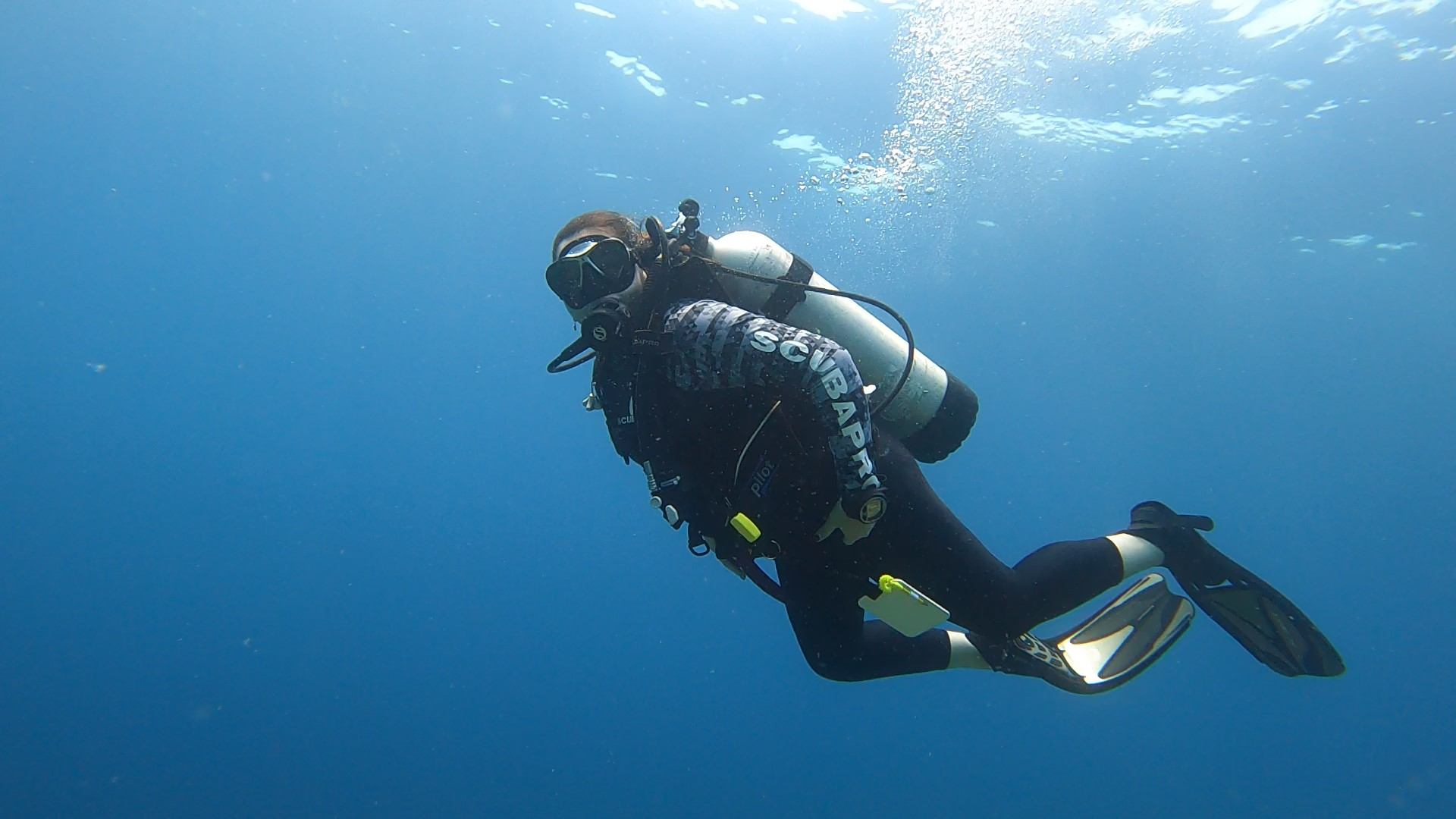
We spoke with Licentiate Jennifer García, a Caribbean Fisheries specialist, about her work at FUNDAECO with Fisheries Replenishment Zones (FRZs). In this video, we got an inside look at her career path, the challenges she has faced as a woman in a traditionally male-dominated sector , and about her work with Fisheries Replenishment Zones (FRZs) financially supported by PROCARIBE+, the defining moments that inspired her to pursue her passion, and her final message for women looking to follow in her footsteps.
Jennifer García is a Licentiate and Specialist in Caribbean fisheries, coordinator of the Marine-Coastal Intersectoral Alliance of Guatemala (AIMC), Living Seas Program - Caribbean (Programa Mares Vivos Caribe) FUNDAECO.
"Above all, I think that being a woman makes breaking ground difficult, but I believe that once they realize that—regardless of whether you are a man or a woman—the work you do benefits the community, doors start opening for you."
Learn more about Jenniffer's career path, which covered key discussion points including her professional journey, conservation challenges, fishery zone strategies, community integration, and significant project outcomes. Thanks to her academic background in aquaculture, she has successfully navigated gender-related challenges while leading conservation efforts within traditional fishing communities. Through community agreements and alternative livelihoods, the implementation of fishery recovery zones has driven positive impacts on the abundance of hydrobiological resources.
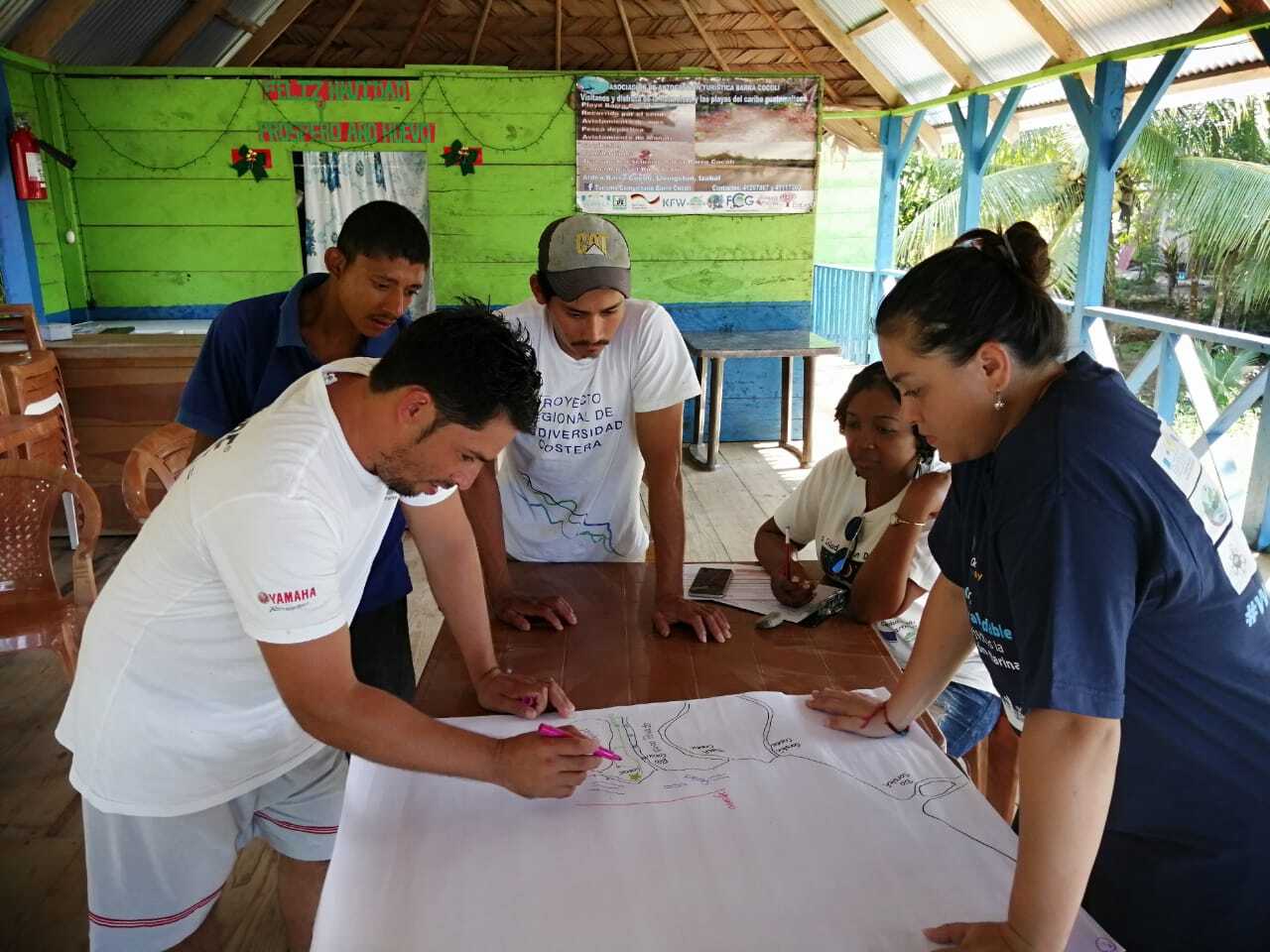
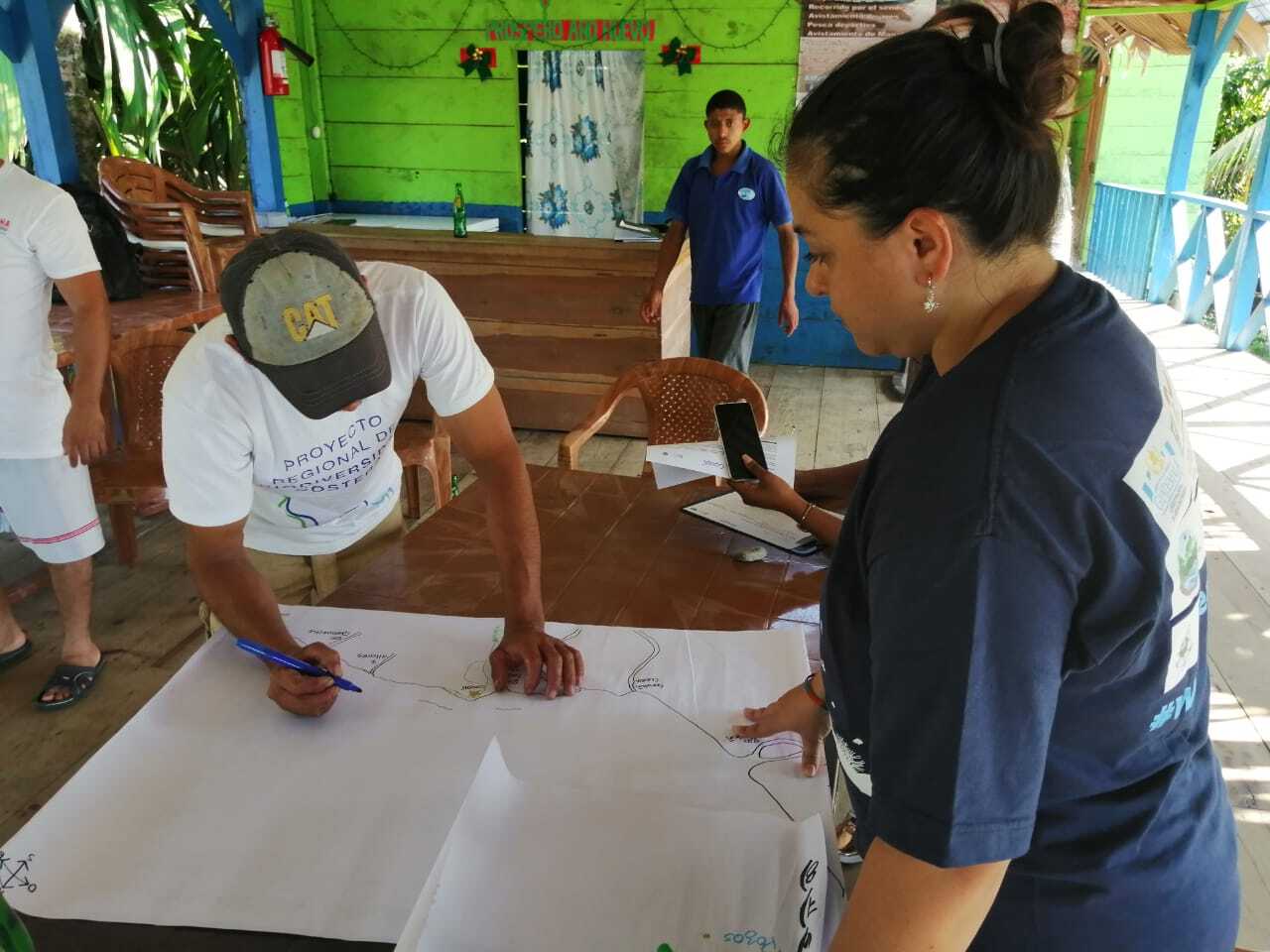
"Working directly with certain FZRs (Fishery Replenishment Zones) means working directly with communities and fishermen, where the majority of leaders are men. It is very difficult to gain openness when a woman wants to lead or coordinate a meeting, because usually, when they know it's a woman, they send their wives instead of coming themselves—and unfortunately, we need the decision-makers in those meetings."
SOME CONTEXT
Fishery Replenishment Zones (FRZ) or No-Take Areas, have proven effective in enhancing fish populations, benefiting nearby fisheries, and improving reef resilience.
Based on existing success stories in the MAR and beyond, a growing interest can be observed among fisherfolk in the MAR region in creating new FRZs, as there is an increased awareness and understanding of their benefits for the sustainability of local fish stocks and thus to their livelihoods.
Under this grant agreement, the PROCARIBE+ Project seeks to support the creation of a new FRZ in the MAR region by providing financial and technical assistance to local fisherfolk associations, marine protected area (MPA) practitioners, and other key stakeholders in the area.
Through this Grant, the project aims to ensure the effective implementation of FRZs covering at least 100 km² of marine space in the MAR region by the end of the project.
The PROCARIBE+ Project focuses on enhancing area-based ocean conservation (MPA/OECM), targeting at least 4,000,000 ha of coastal/marine space (in the Wider Caribbean Region), through: expansion of, or newly created MPA’s, and/or MPA’s with increased protection levels/demonstrated enhanced management effectiveness, and/or equivalent amounts of marine space under Other Effective area-based Conservation Measures (OECMs).
PROCARIBE+ promotes sustainability and equity through the rigorous application of UNDP’s Social and Environmental Standards (SES). A central element of this approach is the integration of gender equality and social inclusion in all our actions. We work to ensure that efforts to advance toward a Blue Economy in the Caribbean and North Brazil Shelf Large Marine Ecosystems (CLME+ Region) are designed responsibly, guaranteeing that women and men have an equal voice and opportunity in the management of our marine heritage.