Roles & Responsibilities of the Project Board
The Project Board plays a critical role in overseeing the project's execution and performance. This oversight includes reviewing evidence of project performance and ensuring progress aligns with goals.

The Project Board plays a critical role in overseeing the project's execution and performance. This oversight includes reviewing evidence of project performance and ensuring progress aligns with goals.
Performance review
Evaluate financial and technical progress reports, independent evaluations, and risk logs. Assess any risks or issues affecting project performance and progress.
Risk Mitigation
Review and propose remedial actions to address risks effectively. Ensure timely decisions and measures to maintain project momentum.
Key Responsibilities
Approve strategic actions to address assessed risks and performance issues Focusing on achieving the following:
Compliance with the Project Objective and Results Framework.
Delivery of key milestones and outputs in the Work Plan & Budget.
Monitoring critical metrics, such as GEF Core Indicator Targets and co-financing commitments.
Long-term sustainability of project outputs.
MEMBERS:
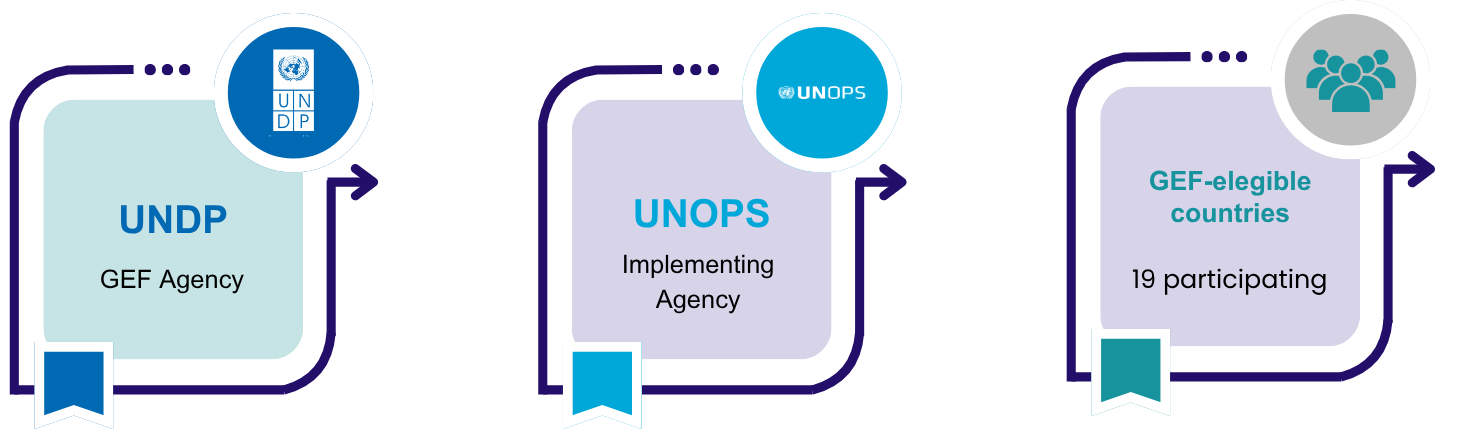

The PROCARIBE+ Project Management and Coordination Unit created user access rights to Project Board Members on the online Loomio “discussion, consensus-building and (pre-)decision-making” platform, where threads and polls are being created to facilitate information exchange, discussions, Q&A, negotiations, consensus-building, and decision-making processes related to the PROCARIBE+ project.
Access the Loomio platform here: PROCARIBE+ Loomio platform
The PROCARIBE+ National Focal Points (NFPs) support and facilitate the successful implementation of the PROCARIBE+ Project, within the fields of responsibility identified in the National Focal Points Terms of Reference with the goal of maximizing the Project’s benefits for both the project-participating countries and the region.
Eligibility and Period of Mandate
GEF-eligible PROCARIBE+ “participating” countries have been requested to nominate and maintain, throughout the project’s duration, PROCARIBE+ National Focal Points.
In addition, other States and/or Territories deemed to be direct project co-beneficiaries may also be provided with the opportunity, subject to certain conditions, to nominate and maintain PROCARIBE+ National Focal Points.
Where possible, in considering the range of responsibilities of the PROCARIBE+ NFPs as well as the wide-ranging thematic scope and cross-sectoral nature of the PROCARIBE+ Project, it has been recommended that consideration be given, in addition to nominating a “principal PROCARIBE+ NFP, to also appointing an alternate or deputy NFP, to supplement and support the principal NFP in his/her responsibilities.
National Focal Point Nominations (NFPs)
A list of the current PROCARIBE+ NFP nominations is available through this link.
For a visual overview of the status of NFP nominations received to date, we refer to the "Progress Trackers & Tools" webpage.