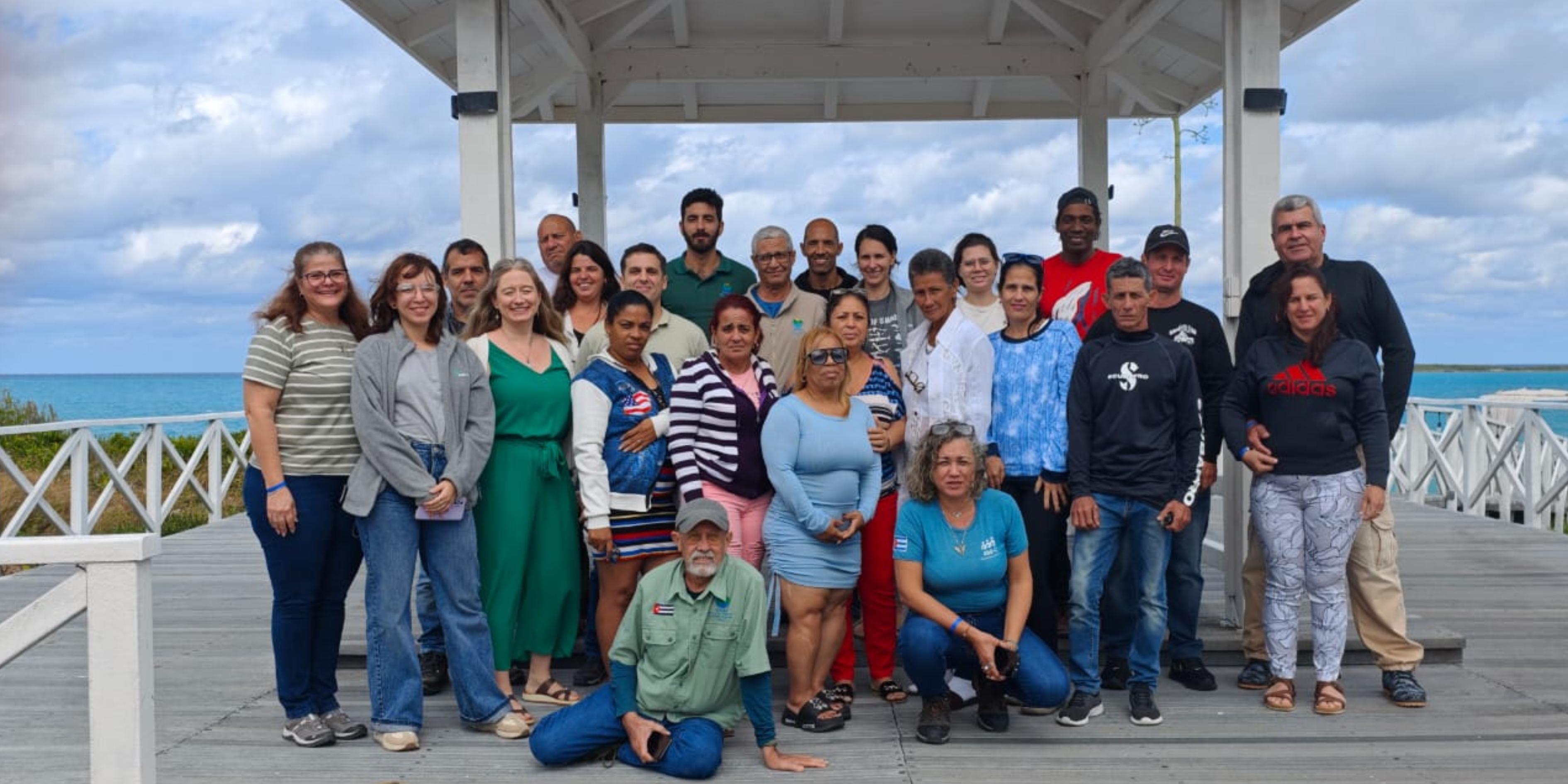
PROCARIBE+ participated in the Diagnostic Workshop for the project's intervention sites in Cuba, a key space for exchange and joint work with specialists from the National Center for Protected Areas (CNAP), representatives of marine protected areas (MPAs), and local communities linked to these areas.
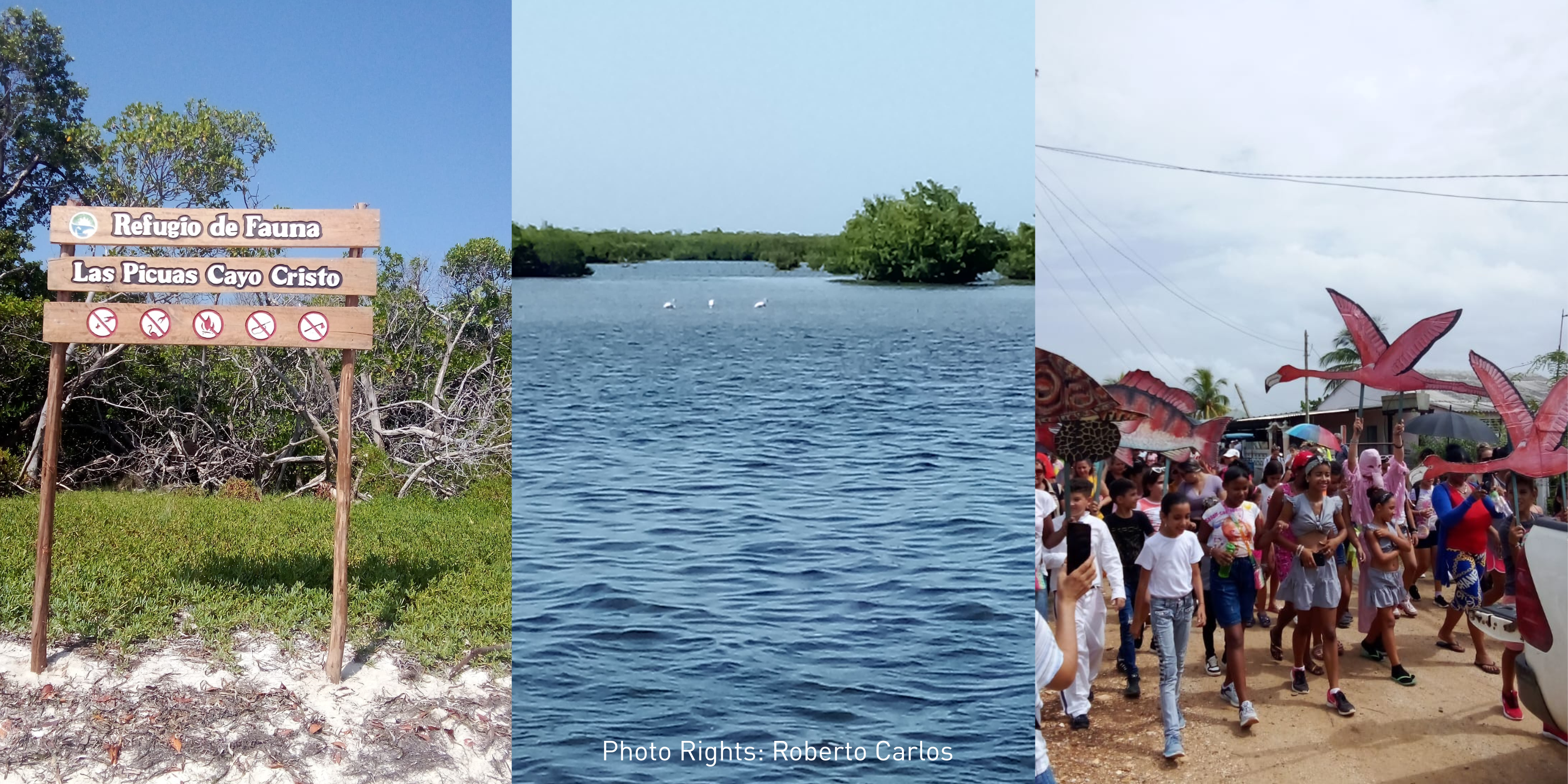
The workshop focused on the Las Picúas–Cayo del Cristo and Lanzanillo–Pajonal–Fragoso Wildlife Refuges, with the aim of strengthening their management through:
✔️ analyzing conservation gaps,
✔️ identifying socio-ecological links,
✔️ exploring sustainable socio-economic alternatives, and
✔️ validating tools to assess management effectiveness.
Through a participatory process, inputs were collected and validated on the main challenges in monitoring, surveillance, financial gaps, threats, and conflicts between sectors, generating key information to raise these issues to higher levels of decision-making and contribute to the definition of concrete solutions and actions. In addition, important project management tools were developed, such as social and environmental safeguards and the completion of the GEF management effectiveness tool.
The PROCARIBE+ project finances activities aimed at strengthening marine conservation and the development of the blue economy in Cuba, including support for new MPAs, improved management of existing MPAs, blue carbon assessment, and the promotion of innovative financing mechanisms.
In this context, Cuba has already achieved one of the project's objectives with the declaration of the Los Bajos de Sancho Pardo Marine Protected Area, a site of high ecological and heritage importance that functions as a center for the release of larvae into the Gulf of Mexico and the Caribbean, is home to a remarkable diversity of corals, sponges, and gorgonians, protects historic shipwrecks, and connects key marine and coastal ecosystems within a biological corridor for migratory birds.